20 July 2026 · CineFood Italia Editorial Team
Welcome to the South: Castellabate Locations
The Welcome to the South film locations in Castellabate: the little square, Le Gatte restaurant and Cilento flavours.
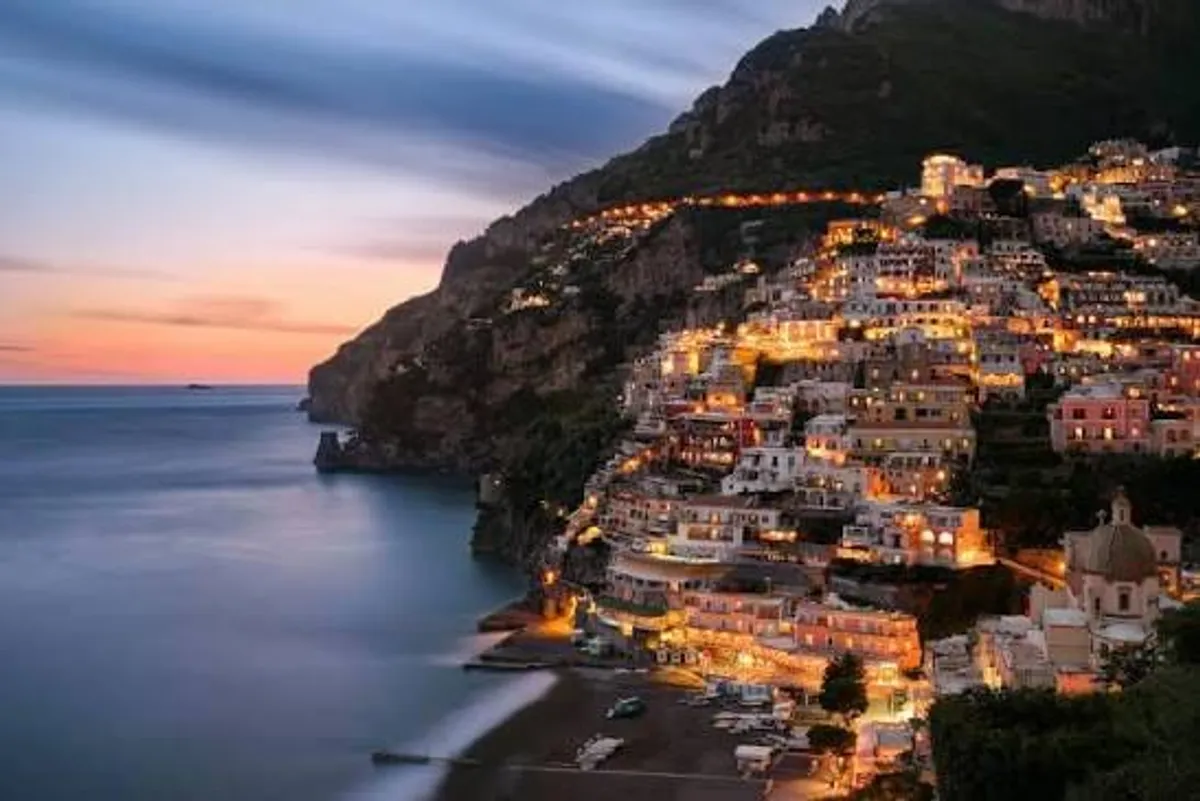
Welcome to the South (Benvenuti al Sud, 2010), the Italian remake of the French film Welcome to the Sticks (Bienvenue chez les Ch’tis), led millions of Italians to discover Castellabate, a jewel of Cilento overlooking the sea. Luca Miniero’s box-office hit grossed about €30 million (it opened at number one at the Italian box office, ahead of Inception), and made its little square, its alleys and — of course — its cuisine famous. Here is the itinerary through the locations and the good food.
The film’s locations
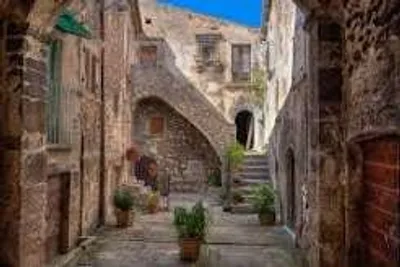
The heart is the little square of Castellabate (Piazza 10 Ottobre 1123), where the film imagines the post office of the main character Alberto (Claudio Bisio). Don’t miss the Belvedere di San Costabile with its view over the gulf, and the famous “You don’t die here” plaque in Piazza Nicola Perrotti. The final scenes were shot along the sea, towards the Torre Perrotti.
Where to eat: Le Gatte and the little square
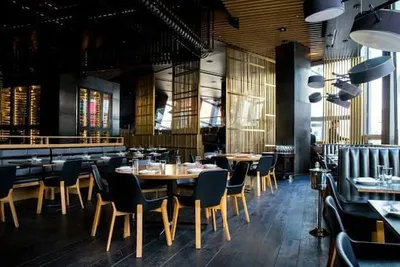
The scene where Alberto discovers the flavours of the South is set at the Le Gatte restaurant, in Santa Maria di Castellabate, in a historic building overlooking the sea: Mediterranean cuisine, fresh fish and Neapolitan pizza. For a coffee or an aperitivo in the film’s square, the stop is the Bar La Piazzetta.
The flavours of Cilento
This is the land of the Mediterranean diet: try the Cilento buffalo mozzarella, menaica anchovies, hand-rolled fusilli and local extra-virgin olive oil. The Tyrrhenian fish does the rest.
You will find all the connected stops on the Welcome to the South page and the venues of Castellabate.
In short
Castellabate combines sea, village and generous cuisine: retracing the Welcome to the South itinerary means sitting down at the Le Gatte restaurant and understanding why, truly, “you don’t die here”.
📍 Book where you read about it
Affiliate link: if you book through this link we may earn a small commission, at no extra cost to you.
🎟️ Live the experience
Affiliate link: if you book through this link we may earn a small commission, at no extra cost to you.
Frequently asked questions
▸ Where was Welcome to the South filmed?
In Castellabate, in the Cilento (Campania), between the old village, Santa Maria and San Marco di Castellabate.
▸ Where is the film's post office?
It doesn't really exist: the scene is set in Castellabate's little square, Piazza 10 Ottobre 1123.
▸ What should you eat in Castellabate?
Cilento buffalo mozzarella, menaica anchovies, hand-rolled fusilli and fresh Tyrrhenian fish.
▸ Is Welcome to the South a remake?
Yes, of the French film Welcome to the Sticks (Bienvenue chez les Ch'tis, 2008). Luca Miniero's Italian version grossed about €30 million, opening at number one at the Italian box office, ahead of Inception.
📖 Need a ready-made itinerary?
The CineFood Italia PDF Guide: every real venue with address, price and 3 ready-made itineraries, $9.97.